
Working on and Recovery from Shallow and Steep Slopes
Practical, rescue-led slope safety, access and recovery training.
Working on a bank, cutting, verge, embankment or steep slope can expose people to a foreseeable fall risk. Element Safety provides practical, rescue-led training for working safely at the top of, near the edge of and on shallow and steep slopes.
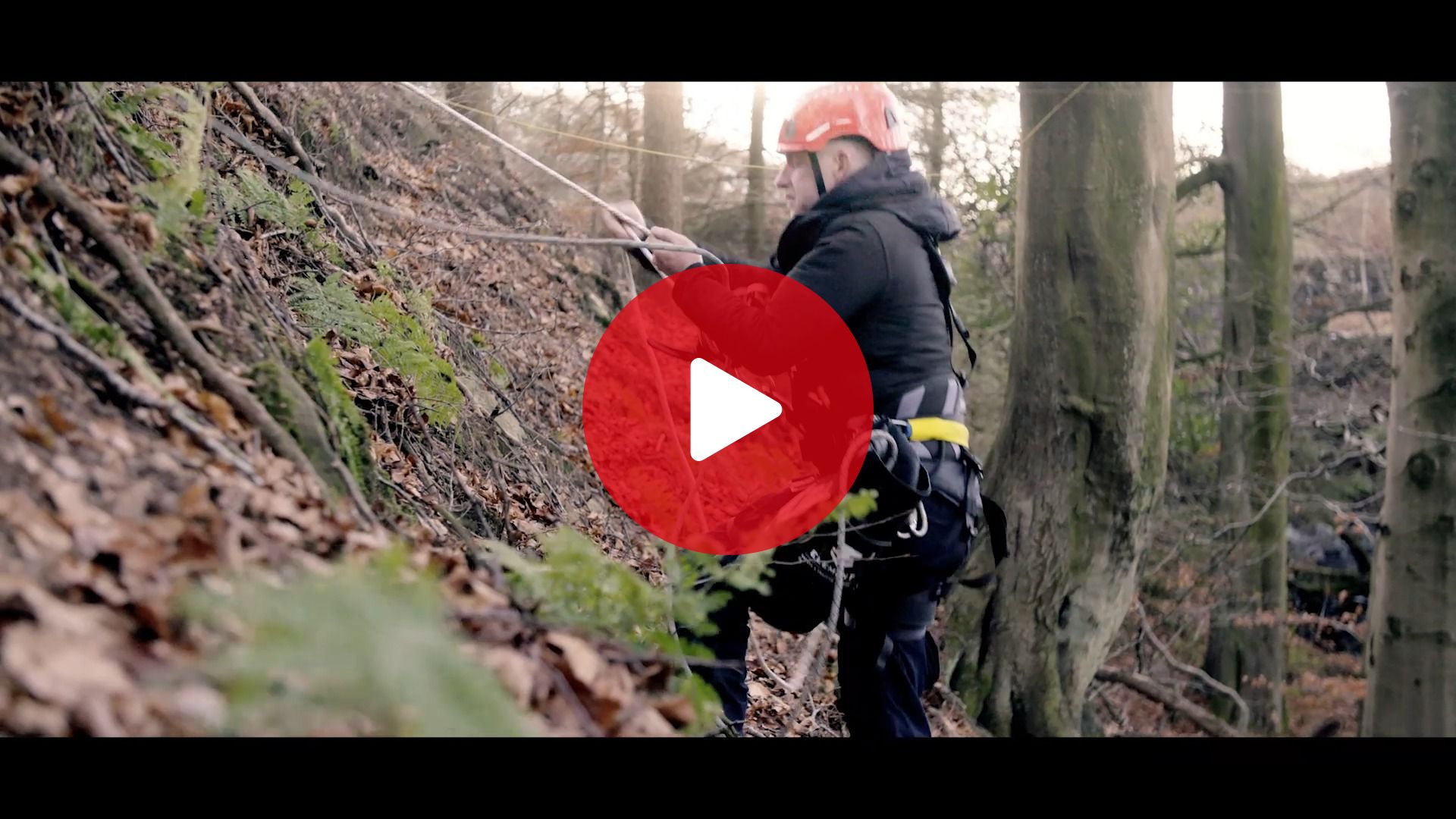
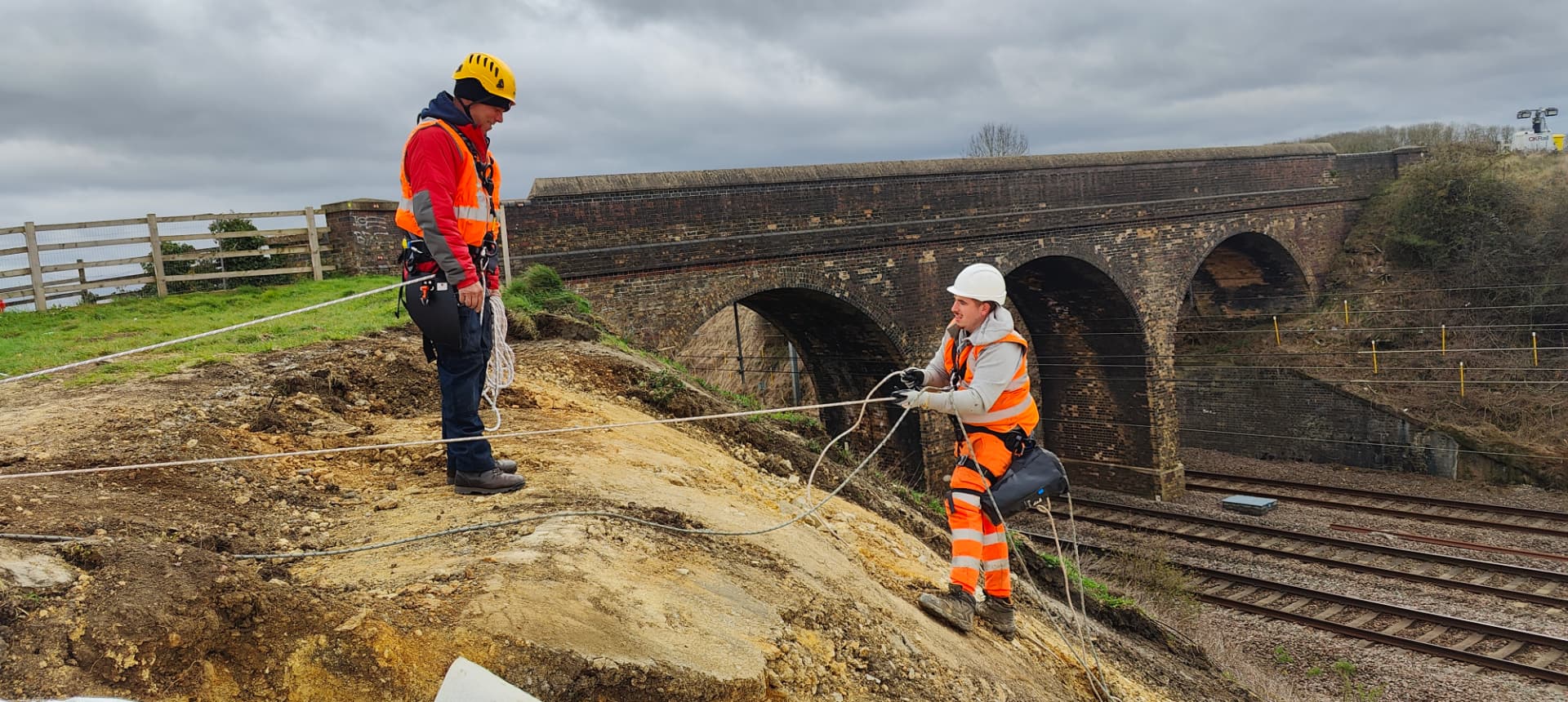
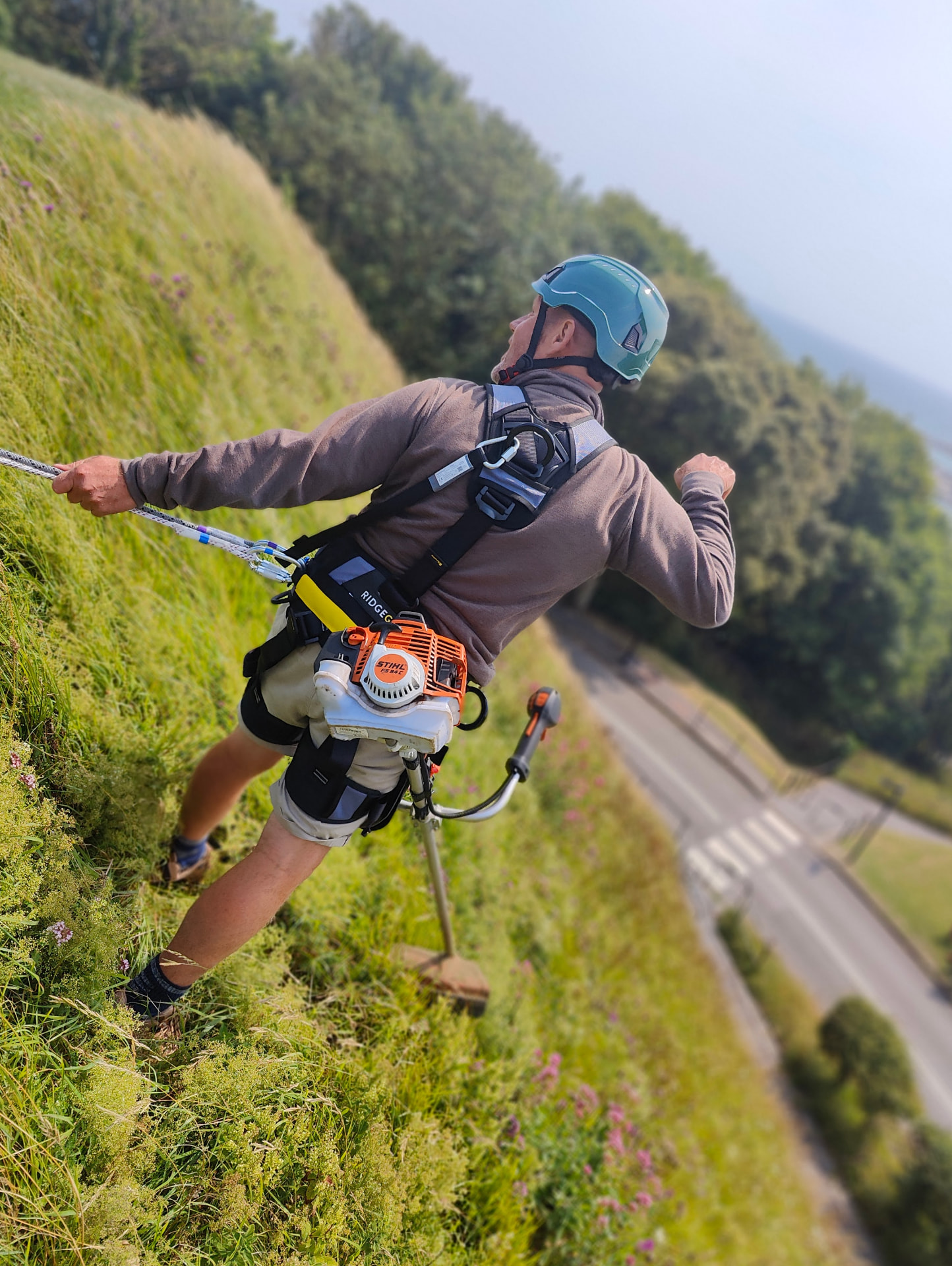
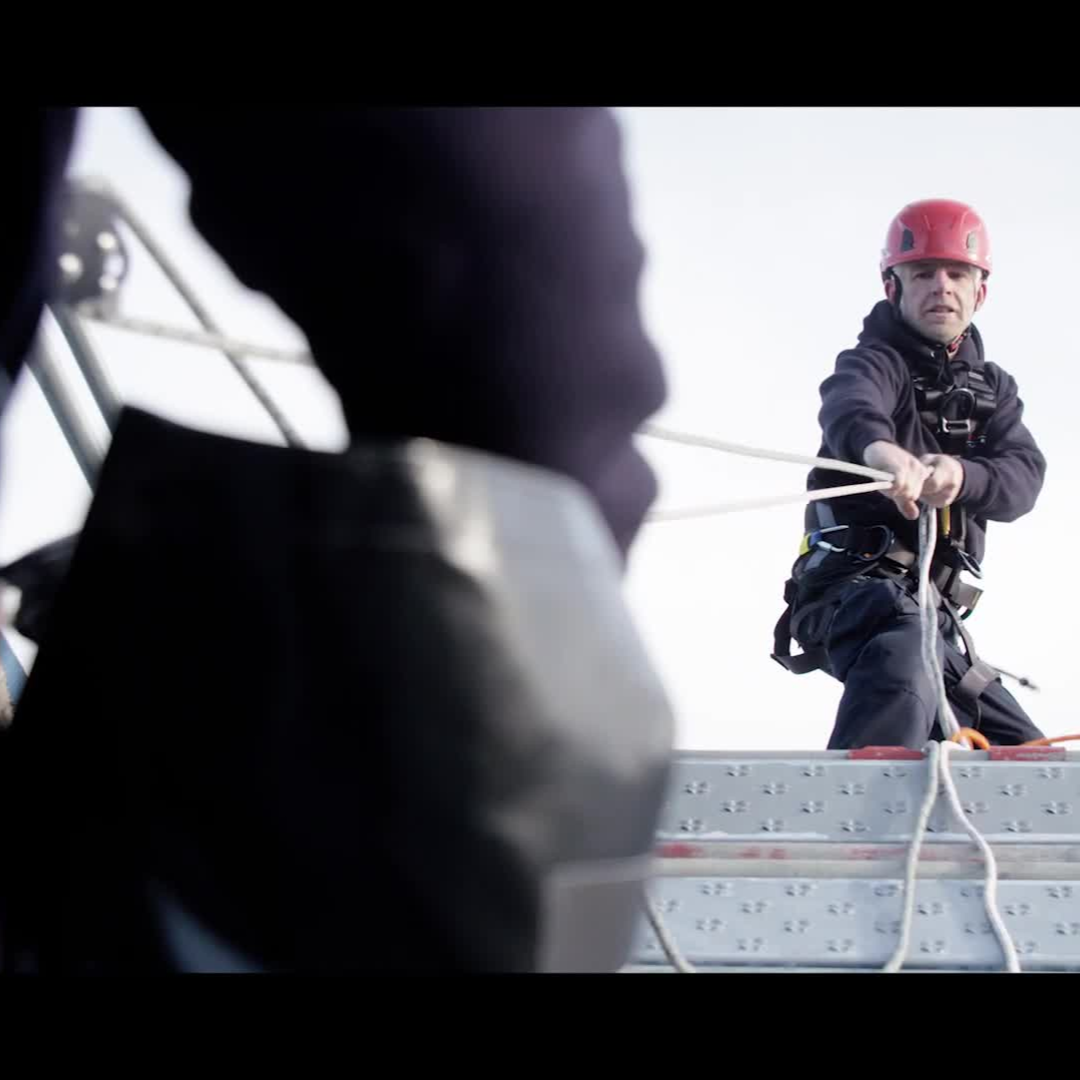
Why slope work needs proper planning
Slippery ground, unstable surfaces, vegetation, tools, machinery and poor footing can turn a simple slip into an uncontrolled slide, fall or casualty recovery.
Selecting the right work system means considering the ground, the task, the equipment on the slope and the plan for getting a casualty back to a safe place.
The correct system cannot be selected from the slope angle alone.
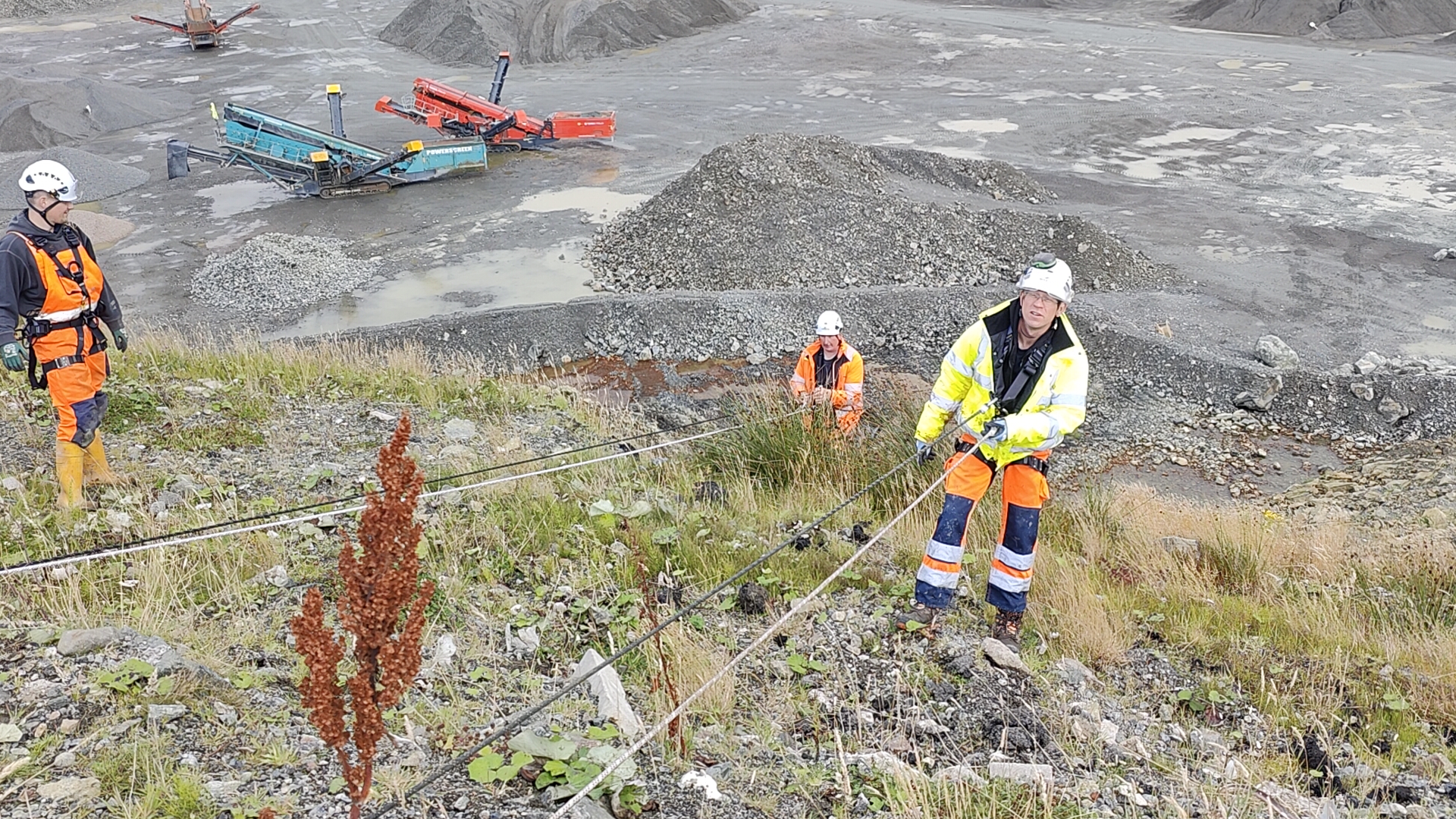
Choose your training pathway
- Handheld mower operations
- Grass cutting and vegetation work
- Inspection and surveying
- Maintenance near slope edges
- Shallow banks and embankments
- Railway and highway embankments
- Cuttings and steep banks
- Utilities and infrastructure
- Environmental work
- Flood defences and drainage
- Surveying and maintenance
- Secondary systems
- Extended lowering and recovery
- Deviations and redirections
- Vertical lifelines
- Rigged-to-rescue systems
- More complex anchor arrangements
Please note: These grades describe Element Safety training pathways and system complexity. They are not RQF qualification levels and must not be selected using gradient alone.
A three-step guide to the right grade
- The worker can remain safely on their feet
- The restraint system prevents access to the fall hazard
- Rope-supported access is not required
- Workers need to access the slope
- The rope may support or control the worker
- The team must recover a colleague
- Anchors or terrain are complex
- Redirections, deviations or extended systems are needed and more adaptable solutions are required
- The system must be specifically rigged for rescue
Request a site assessment where there is a sheer drop, vertical edge transition, unsuitable anchors, machinery affecting the rope system or a casualty may need rescue beyond the planned recovery system.
Course information
A rescue plan cannot simply say “call 999”.
Recovery arrangements must be selected before work begins, compatible with the working system in use, and available at the work location.
They must be understood by the team on site and practised by the people expected to use them — not just written into a document.
- Selected before work begins
- Compatible with the working system
- Available at the work location
- Understood and practised by the team
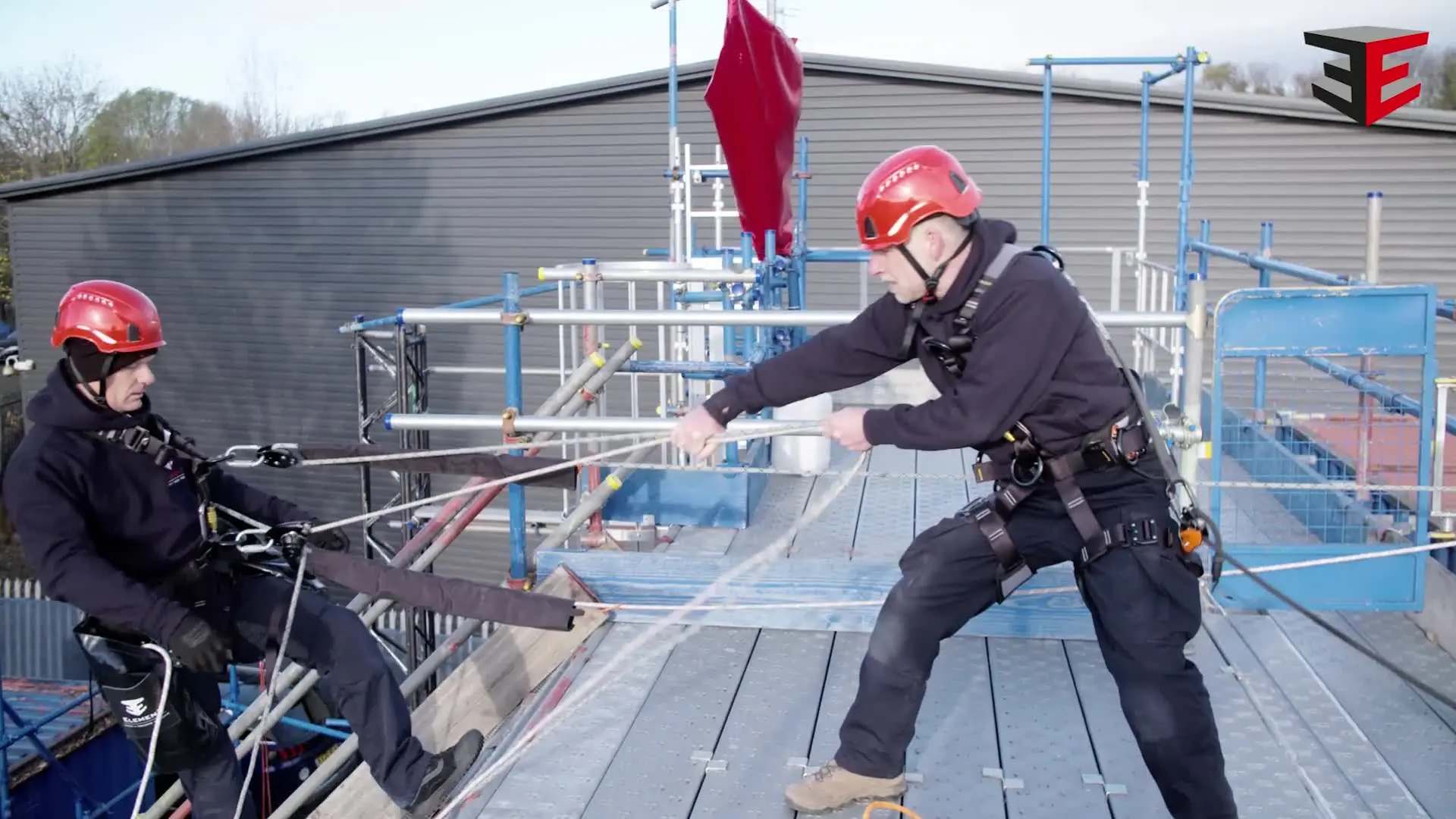
Why Element Safety
Rescue-led training
Practical emergency-service and technical-rescue experience shapes every course.
Realistic exercises
Learners install systems, move on the slope, supervise one another and complete recovery exercises.
Complete system support
Training-needs analysis, site assessment, rescue planning, equipment selection, inspection and refresher training.
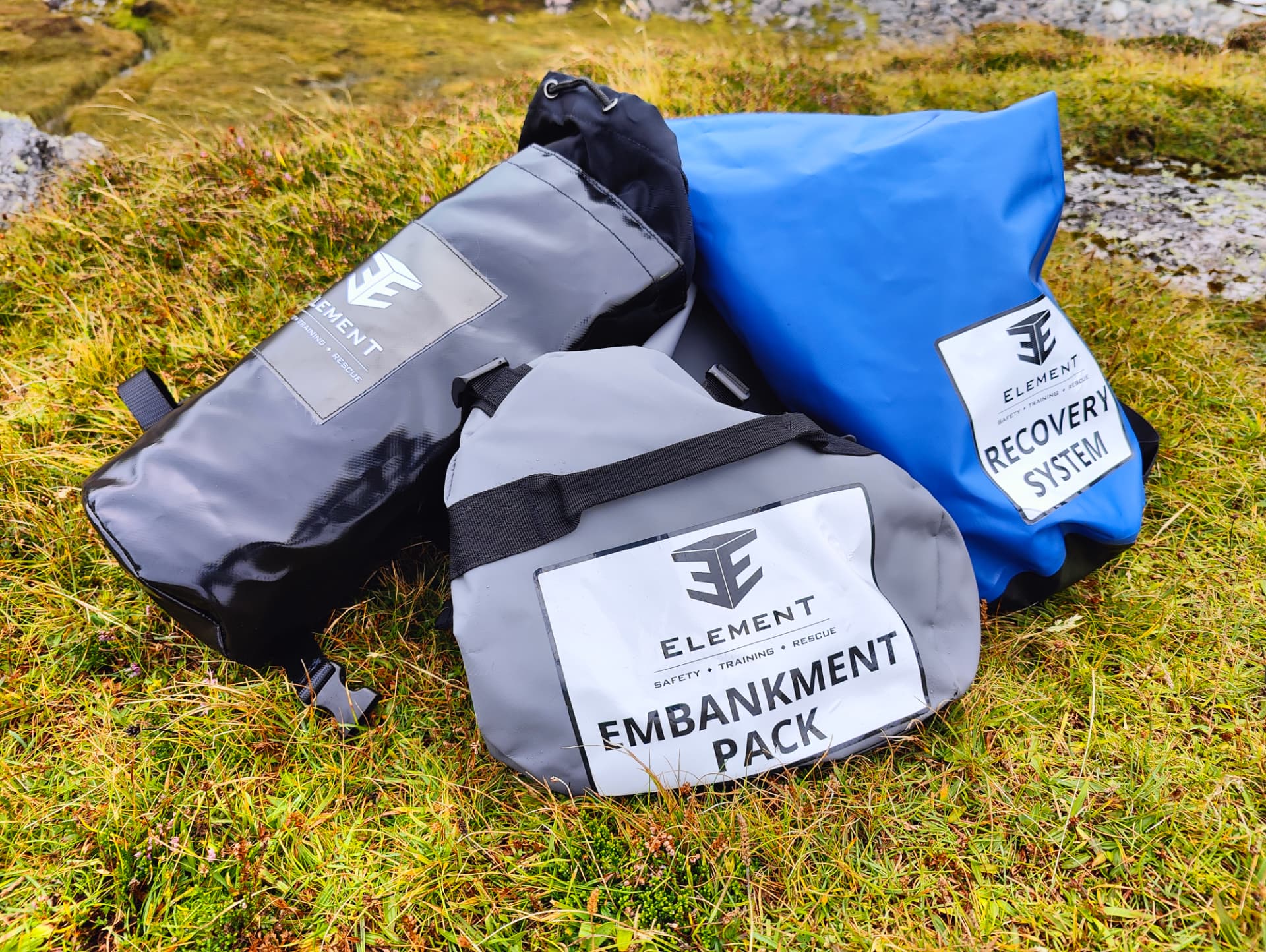
Slope equipment support
Element Safety supply complete slope-working kits and recovery systems and can replace individual components if needed. We can also review existing equipment for gaps or unnecessary complexity, so your team carries what the job actually needs.
Equipment packagesFrequently asked questions
Choose a slope system your team can actually work with
Send photographs, the work activity, approximate slope length, ground conditions, anchor positions, number of workers, existing equipment and foreseeable casualty positions. We’ll respond with the right pathway and clear next steps.
Contact us: hello@elementsafety.co.uk